
What's included
A full, visual inspection of the home's major systems and components, following the InterNACHI Standards of Practice, with a clear photo report typically delivered the same day.
Home inspection
Open any area to see what I look at.
Lots and Grounds
Inspection of the property's grounds consists of a visual evaluation of the surrounding area's grading and its ability to drain water away from the home. Evaluation of gardens and vegetation extends only so far as to assess their effect on major systems of the home's exterior.
Exterior
Inspection of the building exterior includes a visual examination. Items are examined for defects, excessive wear and general state of repair. Varying degrees of exterior deterioration could exist in any component. Vegetation, including trees, is examined only to the extent that it is affecting the structure.
Roof
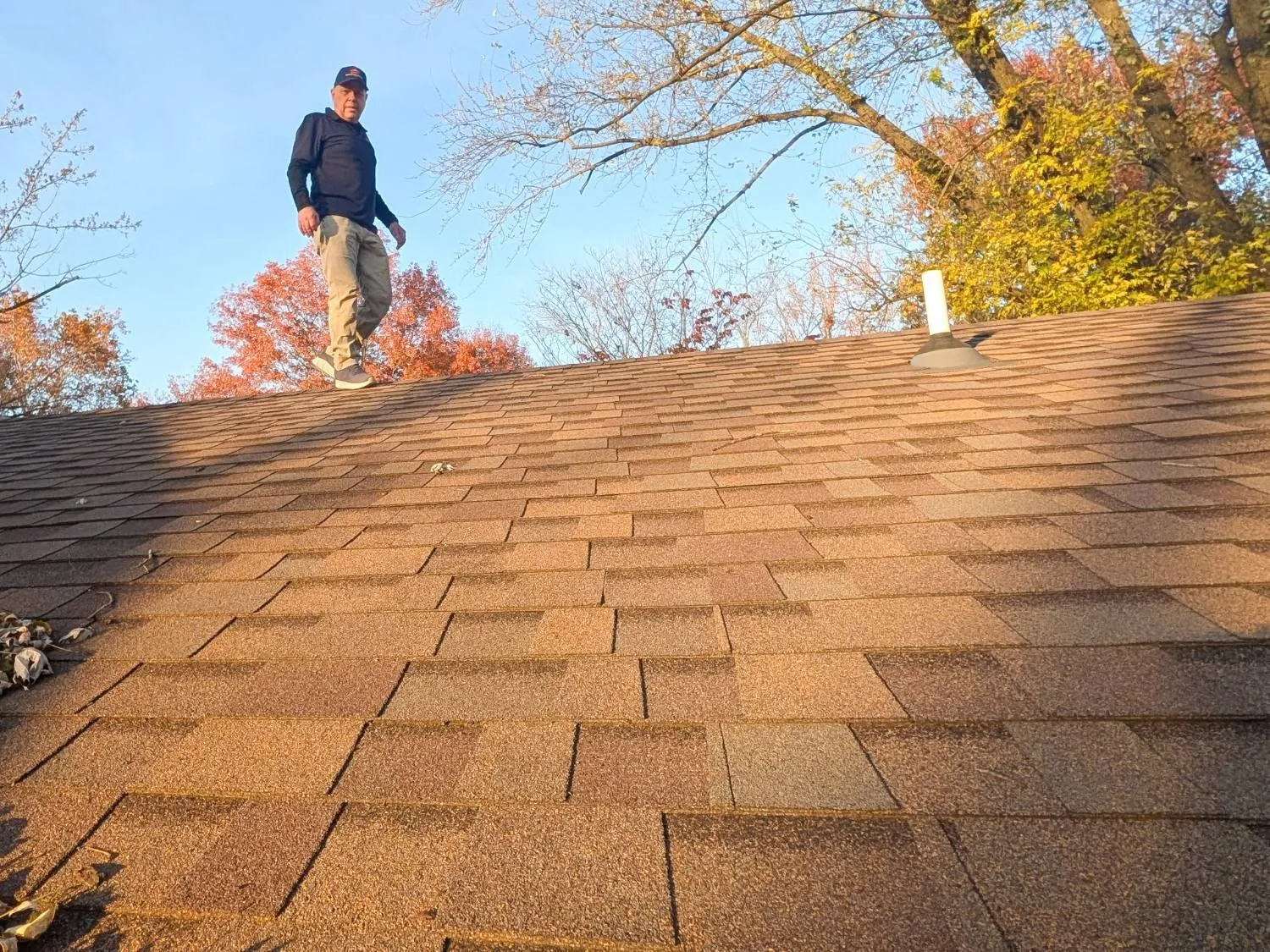
Inspection of the readily accessible roof system includes a visual examination to determine damage or material deterioration. I walk on the roof only when it is safe to do so and not likely to damage the roof materials. I look for evidence of roof system leaks and damage. I cannot predict when or if a roof might leak in the future.
Garage
Inspection of the garage includes a visual examination of the readily accessible portions of the walls, ceilings, floors, doors, steps and stairways, and garage door openers and hardware, if applicable.
Attic
Inspection of the readily accessible areas of the attic includes a visual examination for signs of defects, excessive wear and general state of repair. When low clearance, framing design, obstructions, deep insulation or mechanical components prevent walking safely in an unfinished attic, the inspection is conducted from the available service platforms or access openings only.
Structure
Inspection of the structure includes a visual examination of the exposed, readily accessible portions of the structure. These items are examined for visible defects, excessive wear and general condition. Many structural components are inaccessible because they are buried below grade or are behind finished surfaces, so much of the inspection is performed by looking for visible symptoms of movement, damage and deterioration.
Where there are no symptoms, conditions requiring further review or repair may go undetected, and identification is not possible without destructive testing. I make no representations as to the internal conditions or stability of soils, concrete footings and foundations, except as shown by their performance. I cannot predict when or if foundations might leak in the future.
Basement
Inspection is limited to visible areas of the structure. Finished building materials and storage items may hinder a thorough inspection. The inspection includes accessible electrical and structural components as well as evidence of water intrusion. During periods of dry weather there may not be visible indications of water issues.
Fireplace/Wood Stove
I inspect the visible and accessible parts of the fireplace or wood stove, including its construction, the insert, the smoke chamber and the flue. A full evaluation of the chimney interior requires a chimney sweep, so if I see signs of a problem, I will recommend a full professional chimney inspection.
Electrical
Inspection of the electrical system includes a visual examination of readily accessible components, including a random sampling of electrical devices, to identify adverse conditions and improper wiring methods, grounding, bonding and overcurrent protection. Performing voltage tests, load calculations or determining the adequacy of the electrical system for future use is outside the scope of this inspection.
Telephone, video, audio, security system, landscape lighting and other low-voltage wiring is not included unless specifically noted. Outlets with childproof protectors and outlets that are in use are not tested. I do not unplug the occupants' appliances, computers, electric toothbrushes, lamps, alarm clocks, etc. for testing.
Plumbing
Inspection of the plumbing system includes a visual examination for defects, excessive wear, leakage and general state of repair. Plumbing leaks can be present but not evident in the course of a normal inspection. A sewer lateral test to determine the condition of the underground sewer lines is beyond the scope of this inspection.
The review of the plumbing system does not include landscape irrigation systems, water wells, on-site or private water supply systems, water quality, off-site community water supply systems or private (septic) waste disposal systems.
Heating and Air Conditioning
Inspection of the heating and cooling system includes a visual examination of the system's major components for defects, excessive wear and general state of repair. Weather permitting, the inspection includes activating the system via the thermostat and checking for appropriate temperature response. The inspection does not include disassembly of the furnace, so heat exchangers are not included in the scope of this inspection.
Bathrooms
Inspection of the bathrooms includes a visual examination for active leaks, water damage, excessive or unusual wear and general state of repair. Bathroom fixtures are run simultaneously to check for adequate water pressure and volume. Jetted tubs are filled and tested when possible.
Kitchen
Inspection of the kitchen includes a visual examination of the readily accessible components for defects, excessive wear and general state of repair. I test basic, major built-in appliances using normal operating controls. The accuracy or function of clocks, timers, temperature controls and self-cleaning functions on ovens is beyond the scope of my testing.
Interior (Living Spaces and Bedrooms)
Inspection of the interior includes a visual examination for structural and safety deficiencies. Please note that only a representative sample of accessible components is inspected.
In an occupied home or a home with storage, furnishings, pictures, wall coverings and stored personal items can prevent a full visual inspection of all areas. Conditions can also change between the inspection and closing, so carefully check all areas during your final walk-through and note any staining or conditions that may not have been visible at the time of inspection. Bring them to your Realtor's (if applicable) or attorney's attention before closing.
Laundry Room/Area
Testing of clothes washers, dryers, water valves and drains is not within the scope of this inspection. I inspect the general condition and accessibility of the visible water supply, drain, electric and/or gas connections and visible portions of the dryer vent. If present, laundry sink features are inspected.
Clothes dryer ducting that is not permanently attached to the house is not inspected.
A home inspection is a non-invasive visual inspection of readily accessible areas. I don't move furniture, open walls or take things apart. If something needs a closer look, the report will say so and recommend the right specialist.
When I suspect hidden moisture or another concern, I use a thermal imaging camera to take a closer look. It shows temperature differences on surfaces that can help confirm a problem that isn't visible to the eye.
Types of inspections
Every inspection follows the same InterNACHI Standards of Practice, with an on-site walkthrough and a report typically the same day.
Homes and condos
Single-family homes, inspected from roof to foundation. For condos, I inspect everything inside your unit. The exterior and shared areas are covered by the HOA and aren't included.
Duplexes to fourplexes
Duplexes, triplexes and fourplexes. I inspect each unit along with the shared systems, so you know the condition of the whole building. I don't inspect larger apartment buildings.
Manufactured homes
Manufactured and mobile homes, from roof to foundation and supports, including electrical, plumbing, heating and cooling.
New construction
A brand-new home can still have problems. I inspect it the same way I inspect any home, so issues can be brought to the builder's attention before you close.
Pre-listing inspections
For sellers: an inspection before your home goes on the market. Knowing about issues up front lets you make repairs or plan for them, so there are fewer surprises when the buyer's inspection comes back.
Radon testing
I'm InterNACHI certified for radon testing. Radon is a naturally occurring radioactive gas that's common in Missouri and can only be found by testing. I handle radon testing myself and schedule it alongside your inspection. Learn more about radon from the EPA.

Termite inspection
Performed by Wingate Pest and Lawn. I coordinate the scheduling so it happens alongside your home inspection. You pay Wingate directly; it isn't part of my inspection fee.
Sewer scope
A camera inspection of the main sewer line to check for roots, breaks and blockages, performed by Scotty on the Spot. I coordinate the scheduling; you pay Scotty on the Spot directly. Currently available in Columbia only.
Your report
You'll get a clear, photo-filled report online, typically the same day. I walk you through the findings on site, and the report's summary highlights what matters most.
See a sample report- Photos of every finding
- Plain-language explanations
- Online link for you and your agent
- Built-in repair request list
- On-site walkthrough of the findings

Request an inspection
I get your request instantly and call you back, usually right away. If I'm on a roof or in a crawl space, give me a little time.
Rather reach me directly? Texting works best.